
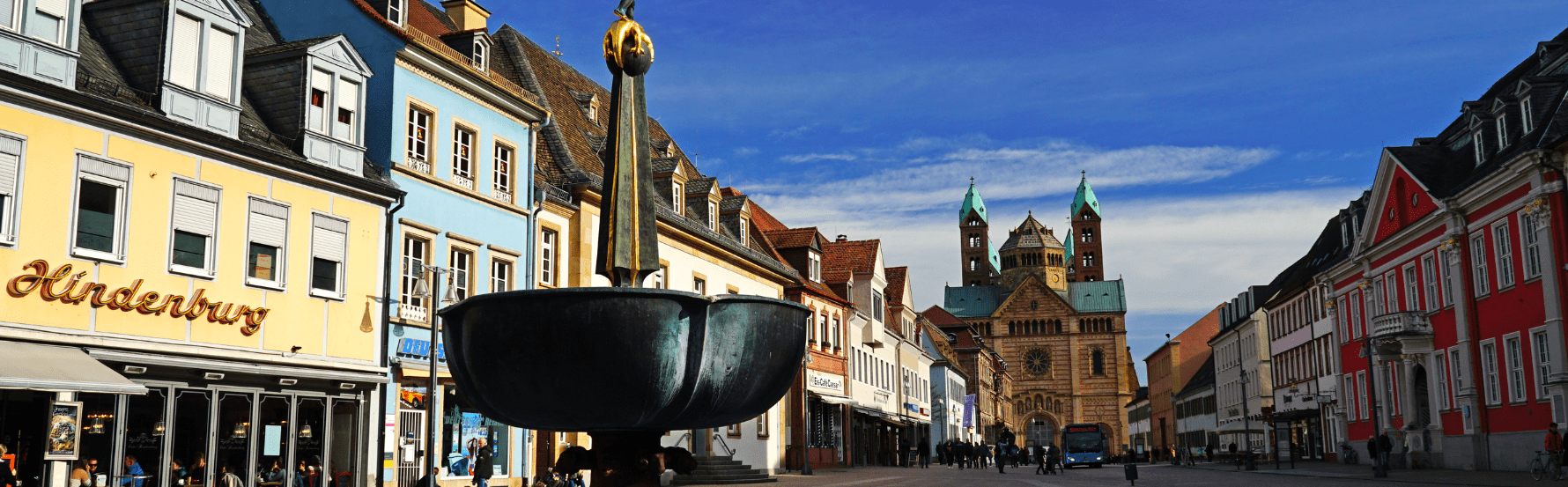
Discover top ranked universities, innovative programm, and strong student support system in the Germany.
Discover Germany's top student destinations and find the city that suits your academic journey.
Every German city offers a unique student experience. Compare living costs, career opportunities, and lifestyle preferences to choose the right destination for your studies.
Moving to the Germany means adjusting to new slang and accents, but with practice, you'll pick them up quickly.
Join German Language Courses
Enroll in university language courses to build a strong foundation in German communication.
Practice with Native Speakers
Take part in language exchange programs and improve fluency through real conversations.
Use Language Learning Apps
Practice daily with apps like Duolingo, Babbel, and Goethe-Institut learning resources.
Watch German Media
Watch German TV shows, movies, and podcasts to improve listening and conversational skills.
Student life in the Germany can be a lot of fun without spending a lot of money. There are plenty of ways to enjoy your time without burning a hole in your pocket.
Student Travel Discounts
Save on transportation with semester tickets, regional travel passes, and BahnCard student benefits.
Shopping & Retail Savings
Enjoy lower prices at discount supermarkets and exclusive offers from popular retail brands.
Entertainment & Cultural Perks
Get discounted access to cinemas, museums, cultural attractions, and student-friendly activities.
Affordable Dining & Daily Living
Reduce everyday expenses with university cafeterias, meal plans, and budget-friendly food options.
Studying in Germany requires careful planning and a step-by-step approach to ensure a smooth application process.
When selecting a university, consider important factors such as academic quality, research opportunities, campus support, and overall affordability.
Accreditation & Rankings
Choose accredited universities with strong academic recognition and rankings in your field.
Curriculum & Specializations
Review course content and specialization options that match your academic and career goals.
Research Opportunities
Look for universities offering research projects, modern labs, and academic innovation.
Campus Facilities & Student Support
Consider campus resources, accommodation options, and student support services.
Tuition Costs & Financial Aid
Compare tuition fees and explore scholarships, grants, and funding opportunities.




The Germany has both public and private universities, with tuition fees varying significantly.
Public Universities
Mostly tuition-free, with a small semester contribution fee of approximately €150–€350.
Private Universities
Average tuition fees generally range between €10,000 and €30,000 per year.
Affordable Study Destination
Germany offers world-class education at a significantly lower cost than many other countries.
Studying in the Germany can be expensive, but many scholarships help international students fund their education.
DAAD Scholarships
Eligible Degree
Bachelor's, Master's & PhD
Coverage
Tuition support & living expenses
Erasmus+
Eligible Degree
Master's
Coverage
Tuition assistance & travel stipend
Heinrich Böll Foundation
Eligible Degree
Master's & PhD
Coverage
Partial to full funding support
Career Opportunities
Germany offers excellent job prospects for international graduates across a wide range of industries and growing sectors.
Higher Education & Research
Graduates can continue with advanced degrees, research programs, and specialized academic opportunities.
Post-Study Work Pathway
Use Germany's post-study work visa to gain professional experience and transition into long-term employment.
Post-Study Work Permit
Duration
18 Months
Eligibility
Graduates from German universities
EU Blue Card
Duration
Up to 4 Years
Eligibility
Qualifying job offer meeting salary requirements
Permanent Residency
Duration
After 5 Years
Eligibility
Stable employment and German language proficiency
Study in the Germany
Studying in Germany is a transformational experience that opens doors to world-class education, cultural diversity, and high-paying career opportunities. If you plan wisely, secure funding, and follow the right steps, your dream of studying in Germany is closer than you think!
Ready to take the next step? Research universities and start your application process with Eduaus today by booking your free consultation!